Pinterest is a waterfall, only 2:3 fills the card
Pinterest users come looking for inspiration, and the more space an image takes up, the more clicks it gets. This template composes natively at 2:3: the lower two-thirds hold the product and scene, the upper third stays clear for the headline. 20 credits, 44 seconds.

A lot of people upload their Instagram images straight to Pinterest, and the result is either shrunk down to a small block or letterboxed top and bottom — in the waterfall it looks small and amateurish.
The reason is the aspect ratio: Pinterest's native ratio is 2:3 (1000×1500), and both square and 4:5 have to be squeezed into that frame.
The prompt composes in "two zones"
Lower half: "the lower two-thirds carry the product and the scene, with the product reading as the subject at no less than a quarter of the frame height". The lower two-thirds carry the product and scene, with the product taking up at least a quarter of the frame height — that's the floor that keeps it legible in a thumbnail.
Upper half: "the upper third stays calm, low-detail and uncluttered for a headline". The upper third stays calm, low-detail and uncluttered, reserved for the headline.
Style: layer and stack materials in {setting}, set the tone with {palette} (low-saturation warm colors), 30-degree top-down angle, soft side lighting — this angle looks most like a "magazine spread" in interior photography.
Margins: "Nothing important within 5% of any edge", keep important content out of the 5% border on all four sides.
Note how it differs from the Instagram one: Instagram is "centered, with margins all around", Pinterest is "split top and bottom, each zone with its own job". Both are vertical images, but the composition logic is completely different.
Before you start: login and credits
Log in. Open slloy.com, click "Log in" in the top right, enter your email, and type in the 6-digit verification code. The site only supports code-based login, no password — just remember which email you used.
Credits. Generation is charged per run, and this one is 20 credits (about $0.13 on the largest plan, up to $0.60 on the smallest). Your balance is in the account panel in the top right; open it to see it. If the balance is too low, the page tells you directly and won't charge you for nothing.
Do you need to upload an image first for this one? Yes — it's a "keep the original image, change one thing" template, and without an upload you'll get a product the model made up, with credits still charged. There's a reference image upload slot in the left column; just drag your photo in.
What the interface looks like. Once you're in the generator, the left column from top to bottom is: image/video toggle, model (Seedream 5.0 for this one), prompt library (shows "preset loaded", the template has already filled in the words for you), prompt input box, style presets, aspect ratio (2:3 by default), number of images, and at the very bottom the generate button — on a long page you have to scroll down a bit to see it. The right column is the preview area and recent works.
Steps: one image, three blanks
Step 1 — Use case "post to social media" → "Pinterest 2:3 vertical" → generate the same.
Step 2 — Upload the product image. {product} the product, {setting} the scene ("on a light wood tabletop, with a beige wall in the background"), {palette} the color scheme ("cream white and light brown").
Step 3 — 2:3, 20 credits, generate. This time 44 seconds.
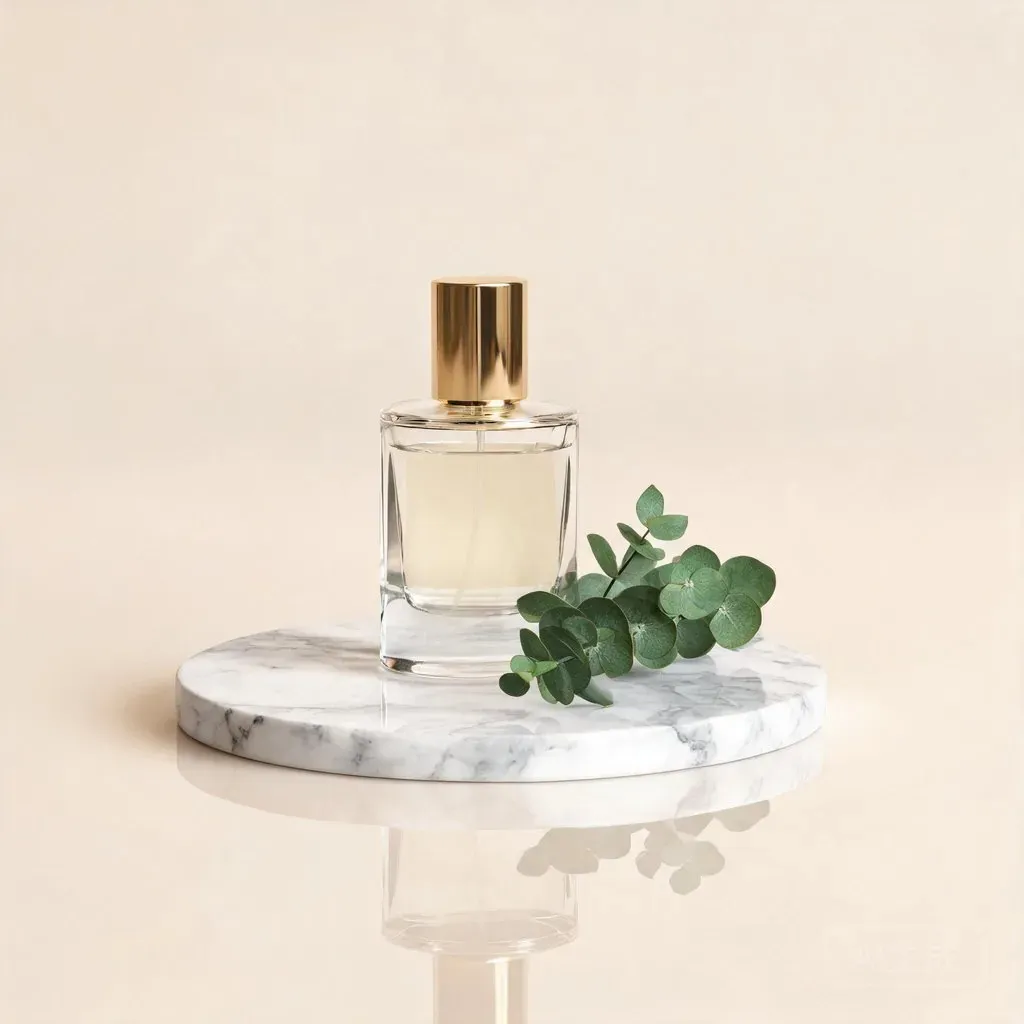
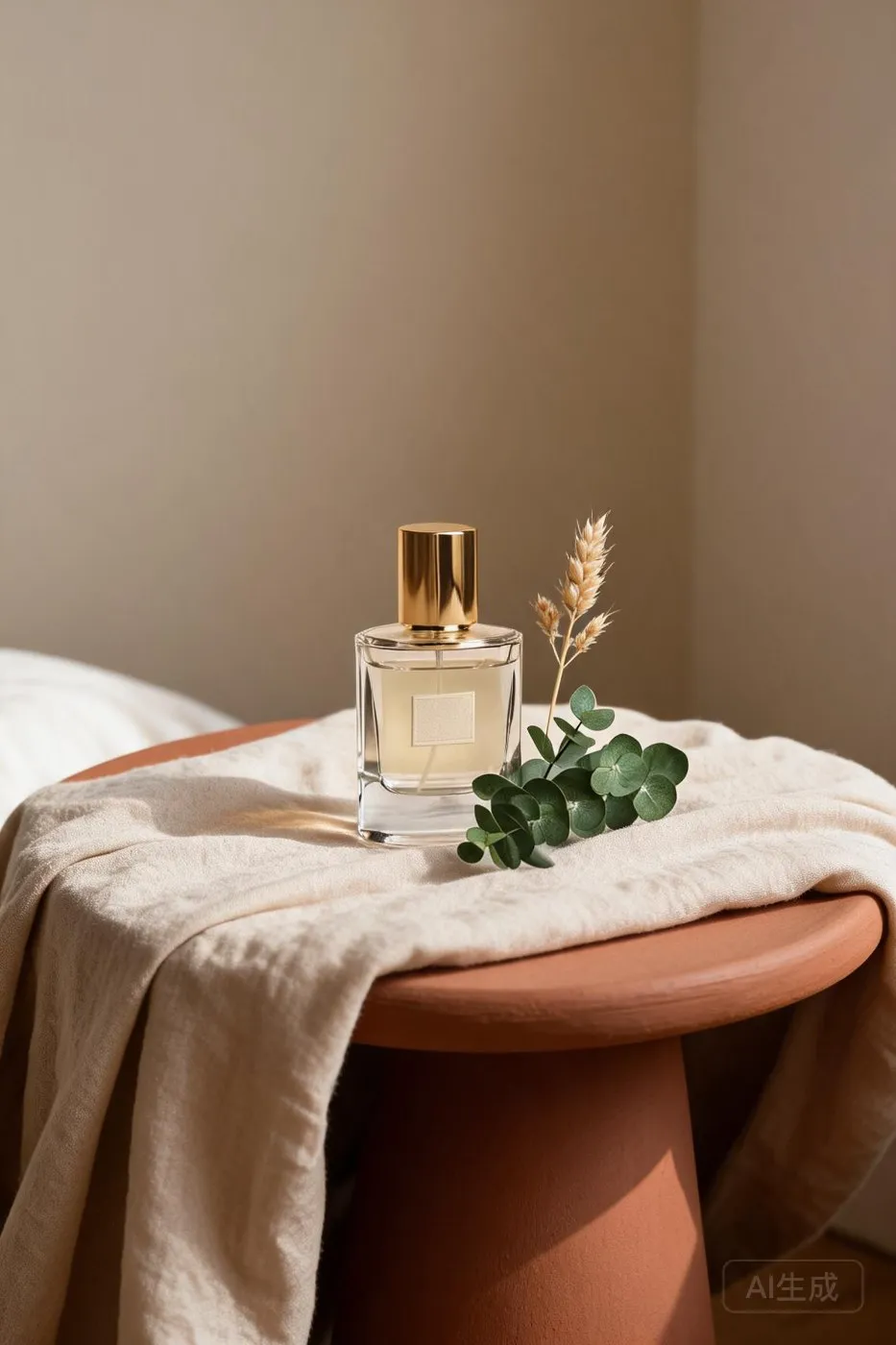
Placeholder copy sheet
The spots wrapped in curly braces in the template are blanks — 3 in total, all of which you need to replace with your own content. Leave them unfilled and the model makes something up. The right column has sentences you can paste straight in; get it running first, then edit.
Get the layout right and the headline slot comes with it
The image is a standard 2:3, so it fills the entire card width in the waterfall. The product sits in the lower two-thirds, large enough that you can tell what it is even in a thumbnail.
The upper third is a clean block of wall color with no distracting detail — lay a headline like "Small-space storage ideas" over it and it reads effortlessly. Most Pinterest clicks come from the combination of "headline + image", not the image alone.
Two hard rules
Step 1 — Don't fill the upper third. It's empty by design, not by omission. Images stuffed with props look like product shots on Pinterest, not inspiration, and click-through actually drops.
Step 2 — Don't force 4:5 in. The template notes say it plainly: a 4:5 image in a 2:3 preset gets cropped into the product. If you need cross-platform, generate a fresh 2:3 for 20 credits — cheaper than retouching.
Bonus: Pinterest is search-driven, so put the words buyers actually search for (not brand terms) in the title and description. A good image plus the right keyword phrase can multiply impressions several times over. The image makes people stop; the text gets you found.
After the image comes out: download, check, redo
Don't click repeatedly while you wait. This one takes 44 seconds. The page shows a placeholder block or blurry preview first, and the finished image only appears when progress completes. Clicking "generate" again charges another 20 credits, and the two jobs queue behind each other.
Download and naming. There's a download button below the finished image, and what you get is the original at the generated size. Put the use case and date in the filename when you save it (e.g. etsy-pin-2026-11-15-v1) so you don't have to dig through chat history a week later.
Three checks. One, is the subject's structure distorted (bottle turned into a cylinder, wrong number of fingers, furniture floating off the floor); two, are there typos in any text in the image; three, are there dirty spots or extra props at the edges. If all three pass, leave it alone.
If you're not happy, change one sentence and run again. Don't rewrite the whole thing — a rewrite means a new direction and throws out all your earlier judgment. Go back to the "Two hard rules" section above and change just one sentence the way it describes, then spend another 20 credits on a run. Failed jobs are refunded automatically, but they are not retried automatically — you have to click again yourself.
Cost
- 20 credits per image (about $0.13 on the largest plan, up to $0.60 on the smallest), 44 seconds this time
- Pinterest recommends 3–5 Pins a day; 21 a week = 420 credits, roughly $3–13 a month
- For comparison: outsourcing Pinterest template design runs $5–15 per image
- Tip: the same image with different headlines can be posted multiple times, no need to regenerate each time
Artículos relacionados
Cine nocturno con lluvia y neón: una imagen con historia, sin contratar a un fotógrafo
2026-11-15 · Tutoriales · 5 min de lectura
Aún sin fotos y ya necesitas una imagen de producto: estudio de nivel profesional, 20 créditos
2026-11-15 · Tutoriales · 5 min de lectura
Retrato de estudio: 85 mm, luz suave, poros reales, sin aspecto de plástico
2026-11-15 · Tutoriales · 4 min de lectura