Pinterest is a waterfall, only 2:3 fills the card
Pinterest users come looking for inspiration, and the more space an image takes up, the more clicks it gets. This template composes natively at 2:3: the lower two-thirds hold the product and scene, the upper third stays empty for the headline. 20 credits, 44 seconds.

A lot of people upload their Instagram images straight to Pinterest, and the result is either a tiny thumbnail or black bars top and bottom — in the waterfall it looks small and amateurish.
The reason is the aspect ratio: Pinterest's native ratio is 2:3 (1000×1500), and both square and 4:5 images have to be squeezed into that frame.
The prompt uses a "two-part" composition
Lower half: "the lower two-thirds carry the product and the scene, with the product reading as the subject at no less than a quarter of the frame height". The lower two-thirds carry the product and scene, with the product taking up at least a quarter of the frame height — that's the minimum to guarantee it's still legible in a thumbnail.
Upper half: "the upper third stays calm, low-detail and uncluttered for a headline". The upper third stays calm, low-detail and uncluttered, reserved for the headline.
Style: layer and stack materials in {setting}, set the tone with {palette} (low-saturation warm colors), 30-degree top-down angle, soft side lighting — this angle looks the most like a "magazine spread" in interior photography.
Margins: "Nothing important within 5% of any edge", no important content within 5% of any edge.
Note how it differs from the Instagram one: Instagram is "centered, with margins all around", Pinterest is "split top and bottom, each with its own job". Both are vertical images, but the composition logic is completely different.
Before you start: login and credits
Login. Open slloy.com, click "Login" in the top right, enter your email, and type in the 6-digit verification code you receive. The site only supports verification-code login, no password — just remember which email you used.
Credits. Generation is charged per run, and this one costs 20 credits (about $0.13 on the largest plan, up to $0.60 on the smallest). Your balance is in the account panel in the top right; open it to see it. If your balance is too low, the page will tell you directly and won't charge you for nothing.
Do I need to upload an image first for this one? Yes — it's a "keep the original image, change only one thing" template, and without an upload you'll get a product the model made up, with credits still charged. There's a reference image upload slot in the left column; just drag your photo in.
What the interface looks like. Once you're in the generator, the left column from top to bottom is: image/video toggle, model (Seedream 5.0 for this one), prompt library (shows "preset loaded", the template has already filled in the words for you), prompt input box, style presets, aspect ratio (2:3 by default), number of images, and the generate button at the very bottom — on a long page you may need to scroll down a bit to see it. The right column is the preview area and recent works.
Steps: one image, three blanks
Step 1 — Use case "Post to social media" → "Pinterest 2:3 vertical" → generate the same.
Step 2 — Upload the product image. {product} product, {setting} scene ("on a light wood table, with a beige wall in the background"), {palette} color scheme ("cream white and light brown").
Step 3 — 2:3, 20 credits, generate. This time 44 seconds.
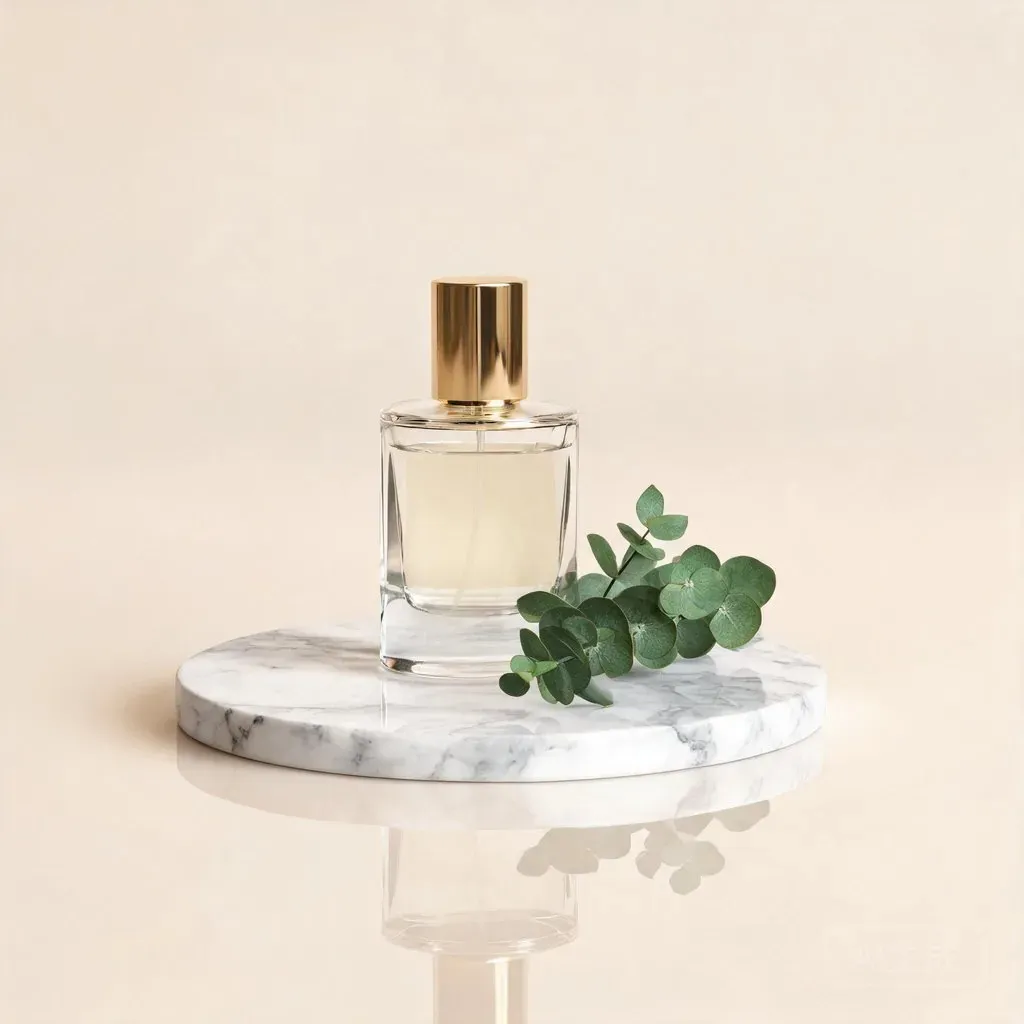
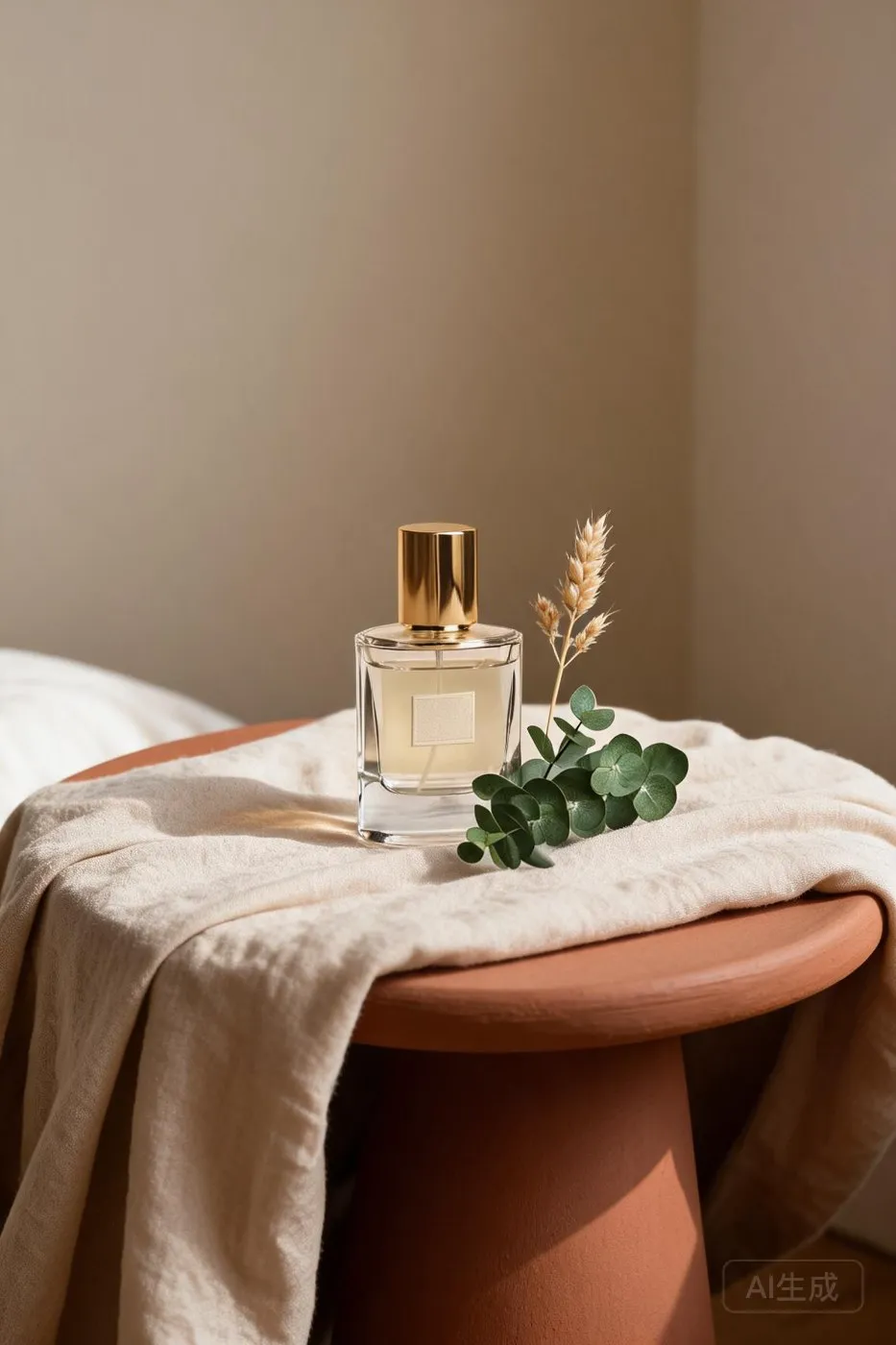
Placeholder copy-paste table
The template has 3 slots wrapped in curly braces, and all of them need to be replaced with your own content — leave them unfilled and the model will make something up. The right column has sentences you can paste in directly; get it working first, then adjust.
Get the layout right and the headline slot comes with it
The image is standard 2:3, so it fills the entire card width in the waterfall. The product sits in the lower two-thirds, large enough that you can still tell what it is in a thumbnail.
The upper third is a clean wall-colored block with no distracting detail — lay a headline like "Small-space storage ideas" over it and it reads effortlessly. Most Pinterest clicks come from the combination of "headline + image", not the image alone.
Two hard rules
One, don't fill the upper third. It's empty by design, not by omission. Images stuffed with props look like product shots on Pinterest, not inspiration images, and actually get lower click-through rates.
Two, don't force 4:5 in. The template notes say it clearly: a 4:5 image in a 2:3 preset gets cropped into the product. If you need cross-platform, regenerate at 2:3 — 20 credits is cheaper than retouching.
Bonus: Pinterest is search-driven, so put the words buyers would search for (not brand words) in the title and description. A good image plus the right keywords can multiply your exposure several times over. The image makes people stop; the text gets you found.
After the image comes out: download, review, rework
Don't click repeatedly while you wait. This one takes 44 seconds. The page will show a placeholder block or blurry preview first, and the final image appears once progress completes. Clicking "Generate" again charges another 20 credits, and the two jobs will queue behind each other.
Download and naming. There's a download button below the result, and what you get is the original at the generated size. When you save it, put the use case and date in the filename (e.g. etsy-pin-2026-11-15-v1) so you don't have to dig through chat history a week later.
Three things to check. First, whether the main structure is distorted (bottle turned into a cylinder, wrong number of fingers, furniture floating off the floor); second, whether there are typos in any text in the image; third, whether there are dirty spots or extra props at the edges. If all three pass, you're done.
If you're not happy, change one sentence and run again. Don't rewrite the whole thing — rewriting means changing direction and throwing away all your earlier judgment. Go back to the "Two hard rules" section above and change just one sentence the way it describes, then spend another 20 credits on a run. Failed jobs are refunded automatically, but they are not retried automatically — you need to click again yourself.
Cost
- 20 credits per image (about $0.13 on the largest plan, up to $0.60 on the smallest), 44 seconds this time
- Pinterest recommends 3–5 Pins per day; 21 images a week = 420 credits, about $3–13 a month
- For comparison: outsourcing Pinterest template design costs $5–15 per image
- Tip: the same image with different headlines can be posted multiple times, no need to regenerate each time
Posts relacionados
Neon cinematográfico na chuva: uma imagem com história, sem contratar fotógrafo
2026-11-15 · Tutoriais · 5 min de leitura
Sem foto ainda e já precisa de uma imagem de produto: foto de estúdio, 20 créditos por imagem
2026-11-15 · Tutoriais · 5 min de leitura
Retrato de estúdio: 85mm, luz suave, poros reais, sem efeito plástico
2026-11-15 · Tutoriais · 4 min de leitura